Deep Anodizing: A Solution for High-Duty Applications
In the world of extruded aluminum, surface performance is key to ensuring reliability, durability, and continuity over time. In increasingly demanding industrial contexts, deep anodizing is emerging as a strategic solution for high-durability applications, where quality and performance cannot be compromised.
What is deep anodizing?
Anodizing is an electrochemical process that transforms the surface of aluminum into a protective oxide layer, integrated into the material itself.
With deep anodizing (also known as hard anodizing), the oxidized layer is thicker, more compact, and more resistant than standard treatments. This allows for surfaces with:
- Greater hardness
- Higher wear resistance
- Greater protection against corrosion
- Better stability in aggressive environments
It is therefore a particularly suitable treatment for technical components subject to severe mechanical or environmental stress.
Deep anodizing is the ideal choice for sectors where aluminum must guarantee high long-term performance:
- Industrial automation
- Automotive
- Precision mechanics
- Architecture and outdoor applications
- Naval industry
Thanks to the combination of structural lightness and surface resistance, extruded aluminum treated with deep anodizing becomes a high-value solution.
Sepal S.p.A.’s Anodizing Plant: Technology and Integration
This is the context for Sepal S.p.A.’s industrial approach, which has invested in a fully automated anodic oxidation plant that is seamlessly integrated with the extrusion process.
This direct integration reduces handling and processing times, ensures greater quality control throughout the supply chain, and offers a finished product with consistent and certifiable standards. The technologically advanced plant has a production capacity of 7,000 tons/year and can perform various mechanical pre-treatments and coloring processes, flexibly responding to the needs of multiple market sectors.
Full process automation also ensures uniformity of the anodic layer, traceability, and repeatability of performance—critical aspects for highly critical applications.
Customization and Finished Product Quality
Beyond mechanical performance and wear protection, anodizing significantly contributes to the perceived quality of the final product.
It is not just a functional treatment, but a true aesthetic enhancement.
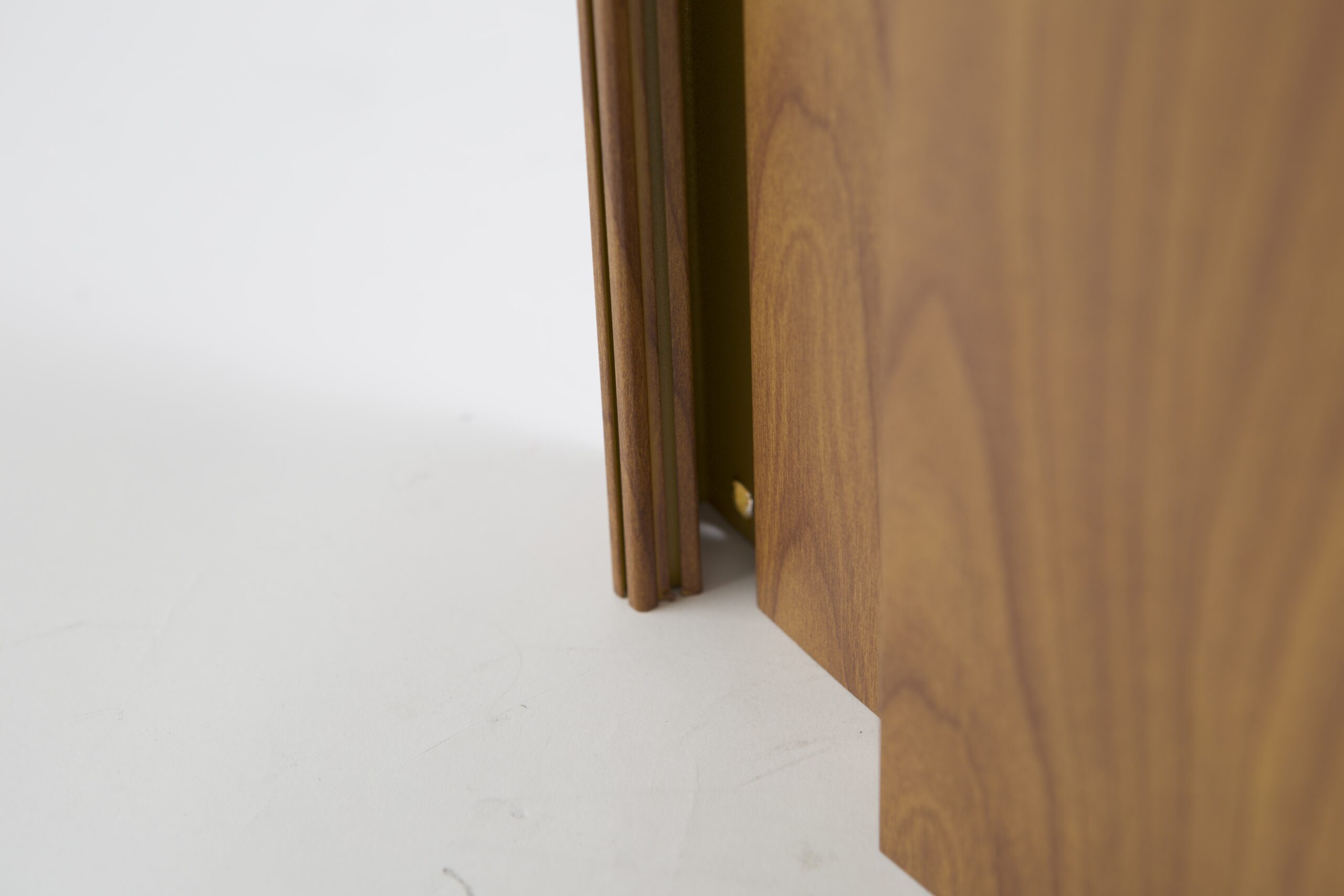
The anodized surface can be offered in various finishes—matte, satin, or more uniform and compact—offering a modern and professional visual result.
The ability to choose from different colors, achieved through controlled and long-lasting processes, allows us to meet specific branding, recognition, or aesthetic integration needs with other components. This aspect is particularly relevant in sectors where design and performance must coexist, such as industrial automation, technical furniture, or the automotive sector.
Deep anodizing also allows for a balance between aesthetics and functionality: the oxidized layer is not simply a surface coating, but an integral part of the material itself. This means the finish does not flake or deteriorate easily, ensuring color uniformity, protection, and overall product quality over time.
In this way, customization and durability are not two opposing needs, but rather become complementary elements of a single process aimed at the excellence of the finished product.
An investment in durability and competitiveness
Choosing deep anodizing is not just a technical decision, but an industrial strategy aimed at reducing maintenance costs, extending component life, and improving overall performance.
Thanks to a modern and integrated plant, Sepal S.p.A. is able to offer a complete production cycle that enhances extruded aluminum, transforming it into a reliable, durable solution ready for the challenges of the most demanding markets.
If we imagine traditional anodizing as a thin protective “skin,” hard anodizing is a true “armor.”