The European Extrusion Market: numbers, trends, and scenarios
Aluminum extrusion is one of the pillars of the European manufacturing industry. Thanks to its ability to transform aluminum billets into high-performance profiles, this process is strategic for sectors such as construction, automotive, transportation, electronics, and advanced industrial applications. In a European context increasingly focused on sustainability, emissions reduction, and the circular economy, aluminum extrusion plays a central role not only for its technical performance but also for the material’s high recyclability.
What is aluminum extrusion and why is it strategic
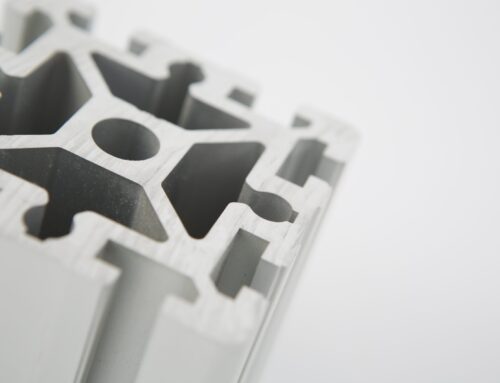
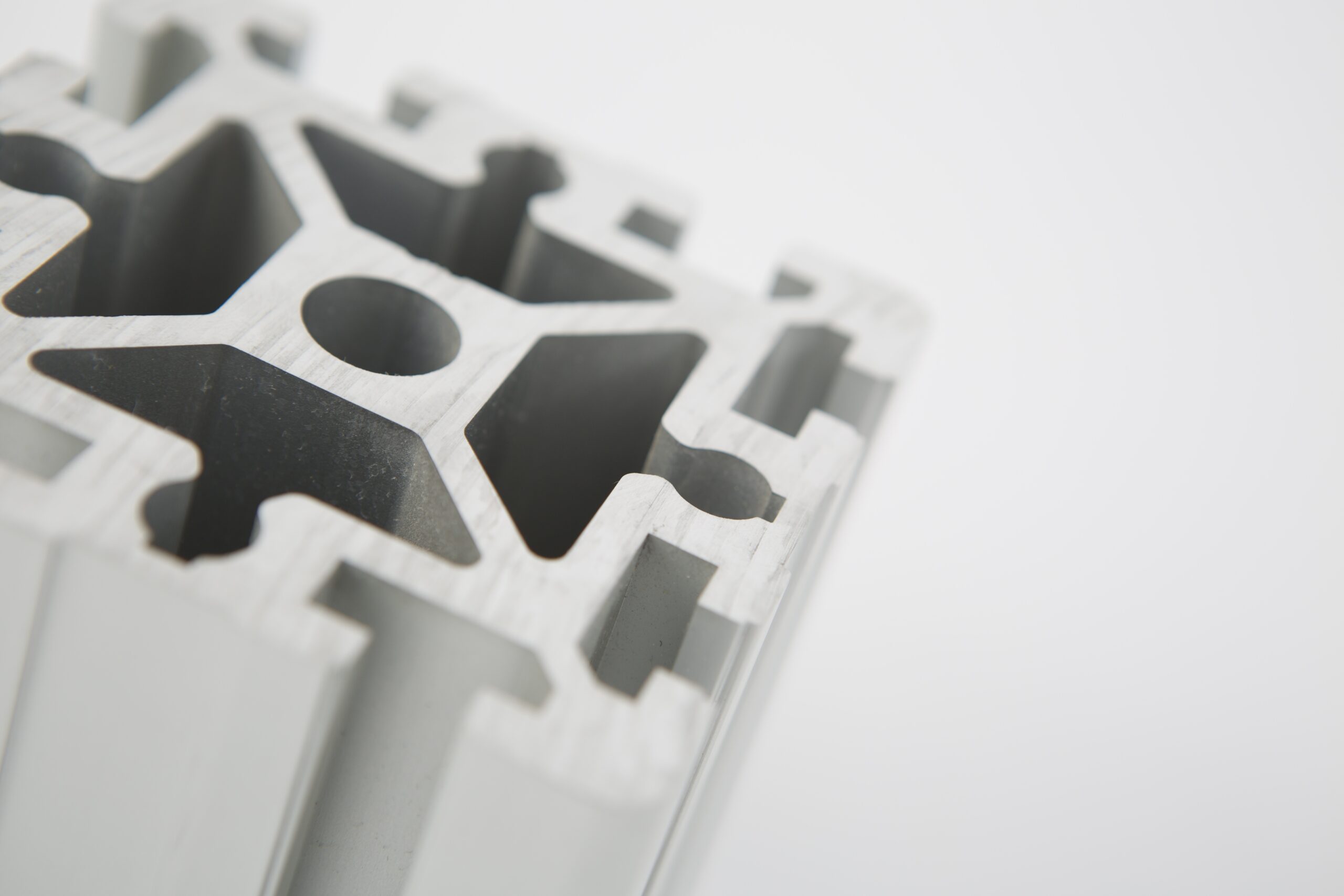
Aluminum extrusion is an industrial process that involves the deformation of metal, which is pushed through a die under the combined action of pressure and temperature. The result is a continuous profile with a consistent geometry, designed to meet very specific structural, aesthetic, and functional requirements. The properties of aluminium—lightweight, mechanical strength, durability, and almost infinite recycling potential—make extrusion a key technology for European industrial competitiveness.
The European Market 2024–2025 and Outlook for 2030–2035
In 2024, the European aluminum extrusion market reached an estimated value of approximately € 11.79–17.72 billion ($13.9–20.9 billion), depending on the analysis source, reflecting the sector’s importance within the European industrial landscape.
Estimates for 2025 indicate a further expansion of the market, with values in the tens of billions of euros, driven by demand for lightweight, sustainable, and high-performance solutions, particularly in the construction and automotive sectors.
The European aluminum extrusion sector shows solid growth prospects in the medium to long term. Forecasts indicate a compound annual growth rate (CAGR) of 7.1%–7.7% through 2030–2035. According to several market analyses, the overall value could exceed €17.72 billion by 2030, with projections reaching over €33–37 billion ($40–44 billion) by 2035, thanks to investments in sustainable infrastructure, electric mobility, and building modernization.
The Growing Role of Secondary Aluminum
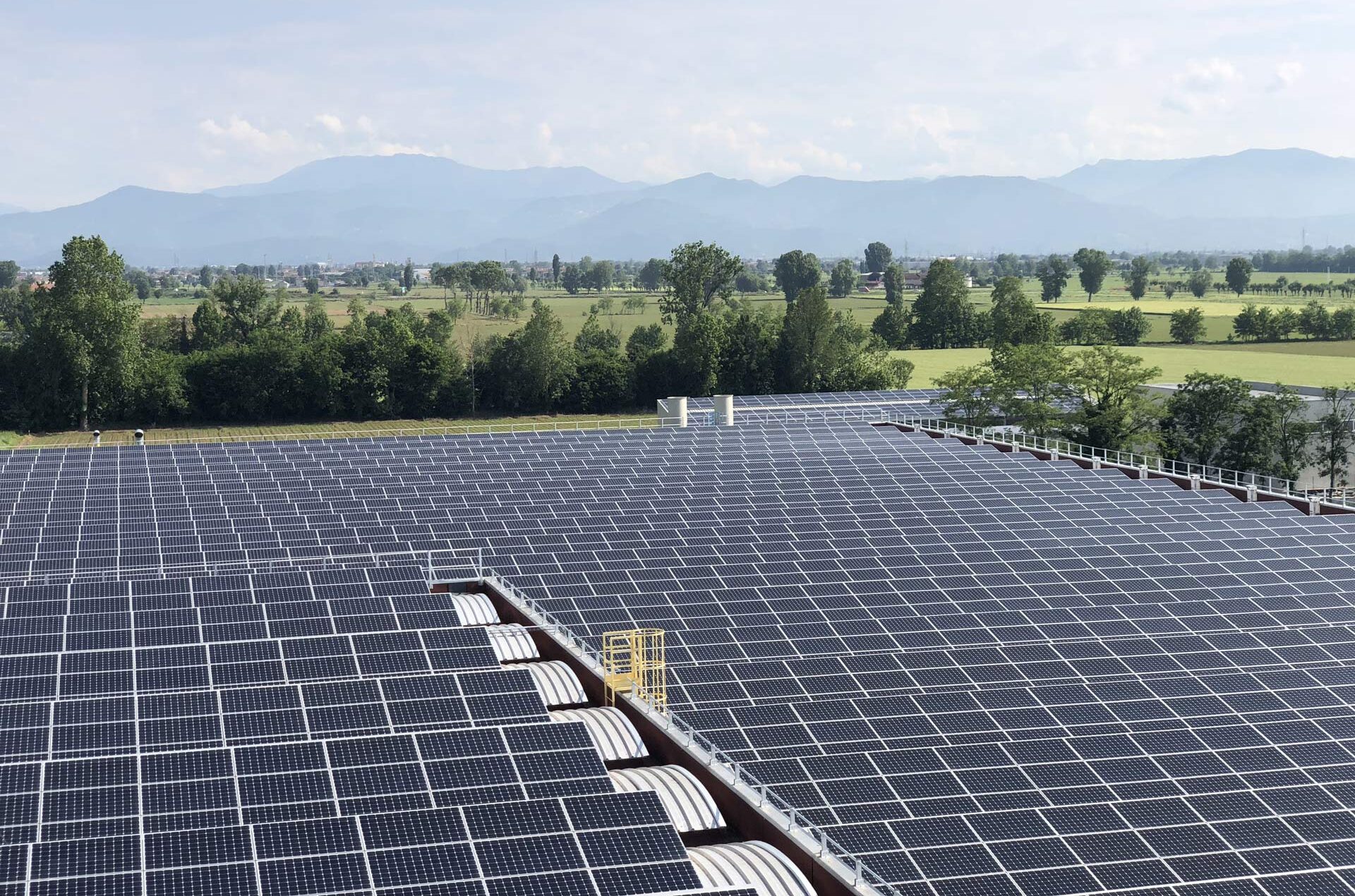
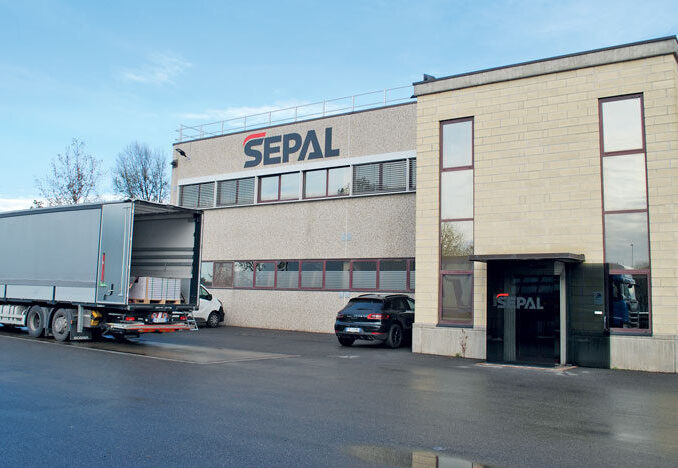
Sepal S.p.A. believes in a responsible aluminum industry, capable of growing while reducing its environmental impact.
This is why we integrate sustainability into every decision, promoting the use of secondary aluminum and leveraging recycling as a strategic lever for the extrusion of the future. In a European market increasingly focused on decarbonization and low-carbon materials, we contribute to a competitive, sustainable, and circular industrial model, where innovation and respect for the environment go hand in hand.
Alongside the growth of extrusion, the European aluminum market is increasingly influenced by the development of secondary aluminum, produced from recycled scrap. From 2020 to 2025, the market experienced significant growth, driven by increased demand for low-carbon materials and European decarbonization targets. Secondary aluminum production in Europe has more than doubled since the early 1990s, and today the continent is a world leader in volumes. This offers long-term growth opportunities, but also new competitive challenges.
Regulation, Sustainability, and Competitiveness
Strict European environmental regulations, combined with circular economy objectives, are pushing for aluminum production with an ever-increasing recycled content. “Green aluminum,” characterized by lower CO₂ emissions, is increasingly in demand, but requires significant investments in technologies and processes. At the same time, high energy costs, volatile scrap prices, and international competition are putting pressure on European producers, especially small and medium-sized recyclers.
Scrap Market Dynamics and Critical Issues
Despite strengthening domestic recycling capacity, Europe continues to export increasing quantities of aluminum scrap. Non-EU operators, particularly in Asia, the United States, and Turkey, are often willing to pay prices 20% to 40% higher than European operators, making scrap increasingly less available for the domestic market. The secondary aluminum market is influenced by many variables: scrap type and quality, alloy purity, source sector, and the technological level of recycling plants. The integration of automation, robotics, and advanced sorting systems has improved efficiency, but technical and infrastructural challenges remain.
The European aluminum extrusion market remains robust and rapidly evolving. Growing demand in the construction and furniture, automotive, and advanced industries sectors, combined with the increasingly central role of secondary aluminum, is redefining the competitive dynamics of the sector.
In the coming years, the ability to integrate technological innovation, sustainability, and efficient management of recycled raw materials will be crucial to maintaining Europe’s competitiveness in the global aluminum extrusion landscape.