Sustainability and Aluminum: A Winning Combination for the Industry of the Future
In today’s industrial landscape, sustainability is no longer an option, but a strategic necessity. Companies, with Sepal S.p.A. at the forefront, are called upon to reduce the environmental impact of their processes, improve production efficiency, and adopt materials that ensure longer and more responsible life cycles. In this context, aluminum is emerging as one of the key materials for the transition to a greener industry.
A lightweight, durable, and infinitely recyclable material
Aluminum possesses physical and mechanical characteristics that make it ideal for a variety of industrial applications: it is lightweight, ductile, robust, and corrosion-resistant. But its true strength lies elsewhere: it can be infinitely recycled without losing quality.
Aluminum recycling requires up to 95% less energy than primary production from bauxite. This translates into a drastic reduction in CO₂ emissions and a key contribution to the decarbonization of manufacturing sectors.
Aluminum and the Green Economy: An Ally for All Sectors
From mobility to construction, from packaging to industrial design, aluminum is currently undergoing a profound transformation:
- Automotive and Transportation
Aluminum’s lightness allows for reduced weight in transportation vehicles, resulting in lower energy consumption and emissions. In electric vehicles, this material helps improve range and efficiency. - Sustainable Construction
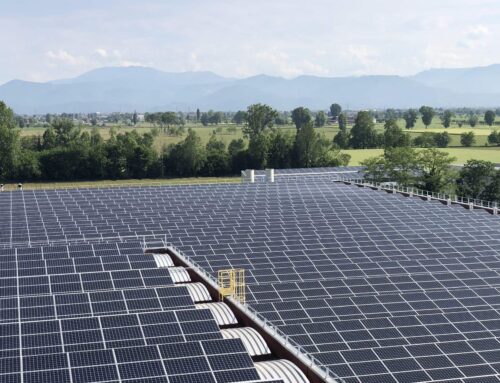
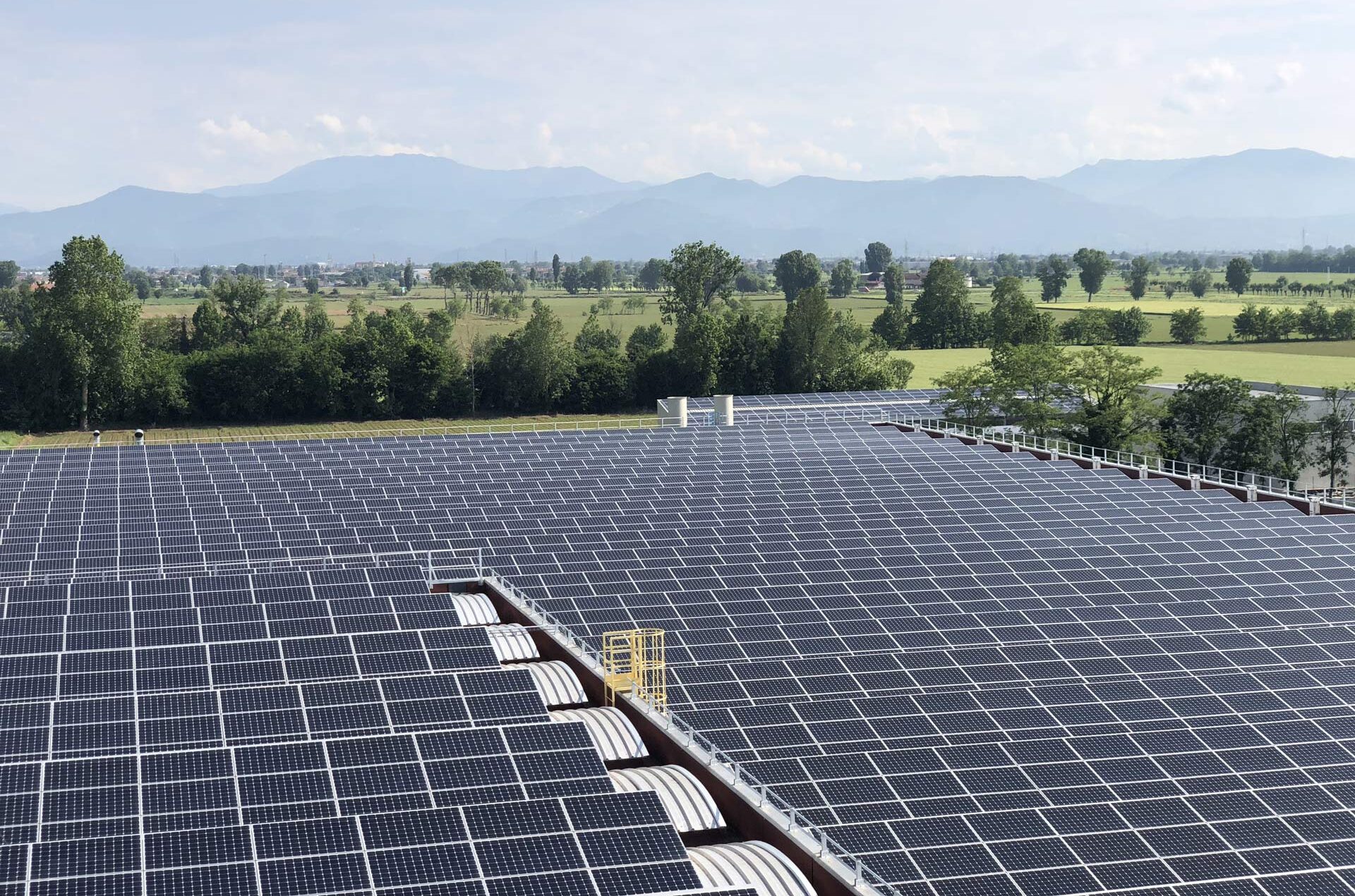
Thanks to its durability and versatility, aluminum is increasingly used in facades, window frames, roofing, and photovoltaic systems. Its insulating properties and high recyclability make it a key component of modern green building. - Responsible Packaging
Aluminum packaging is lightweight, protective, and almost entirely recyclable; this is why it is becoming a preferred solution for circular, low-impact packaging. - Industry and Technology
From electronic equipment to industrial machinery, aluminum guarantees high performance with a low environmental footprint.
Aluminum as a driver of the circular economy
The growing focus on the circular economy is highlighting aluminum as a virtuous model.
Its value is not exhausted after use: waste can be reintroduced into the production process, generating new products and reducing dependence on raw materials.
The adoption of increasingly efficient remelting and selective collection technologies allows for the recovery of increasing quantities of material, transforming aluminum into a strategic asset for the industry.
Innovation and research: the future is already underway
Today, many companies are investing in research to develop increasingly high-performance aluminum alloys, low-emission manufacturing processes, and advanced recycling technologies.
The goal is to create an industrial model that combines quality, performance, and environmental responsibility.
Emerging trends include:
- production via renewable energy,
- optimization of extrusion and rolling to reduce waste and energy,
- applications in cutting-edge sectors such as aerospace, energy and electric mobility.
The combination of sustainability and aluminium represents a concrete and strategic response to the environmental and economic challenges of modern industry. To bet on this material is to invest in a more efficient, competitive and planet-friendly future.
Sepal SpA bears witness to this: for the green transition, aluminum is not just an opportunity: it is a winning choice