How to Maintain an Anodized Profile Over Time: A Practical Guide
Anodizing is one of the most effective surface treatments for improving the strength and durability of aluminum. However, to ensure optimal performance in the long term, it is essential to adopt correct maintenance practices.
We’ve created this practical guide, with tips, tricks, and helpful tips for understanding how to maintain an anodized profile over time while preserving its aesthetics, functionality, and durability.
What is an anodized profile and why does it last over time?
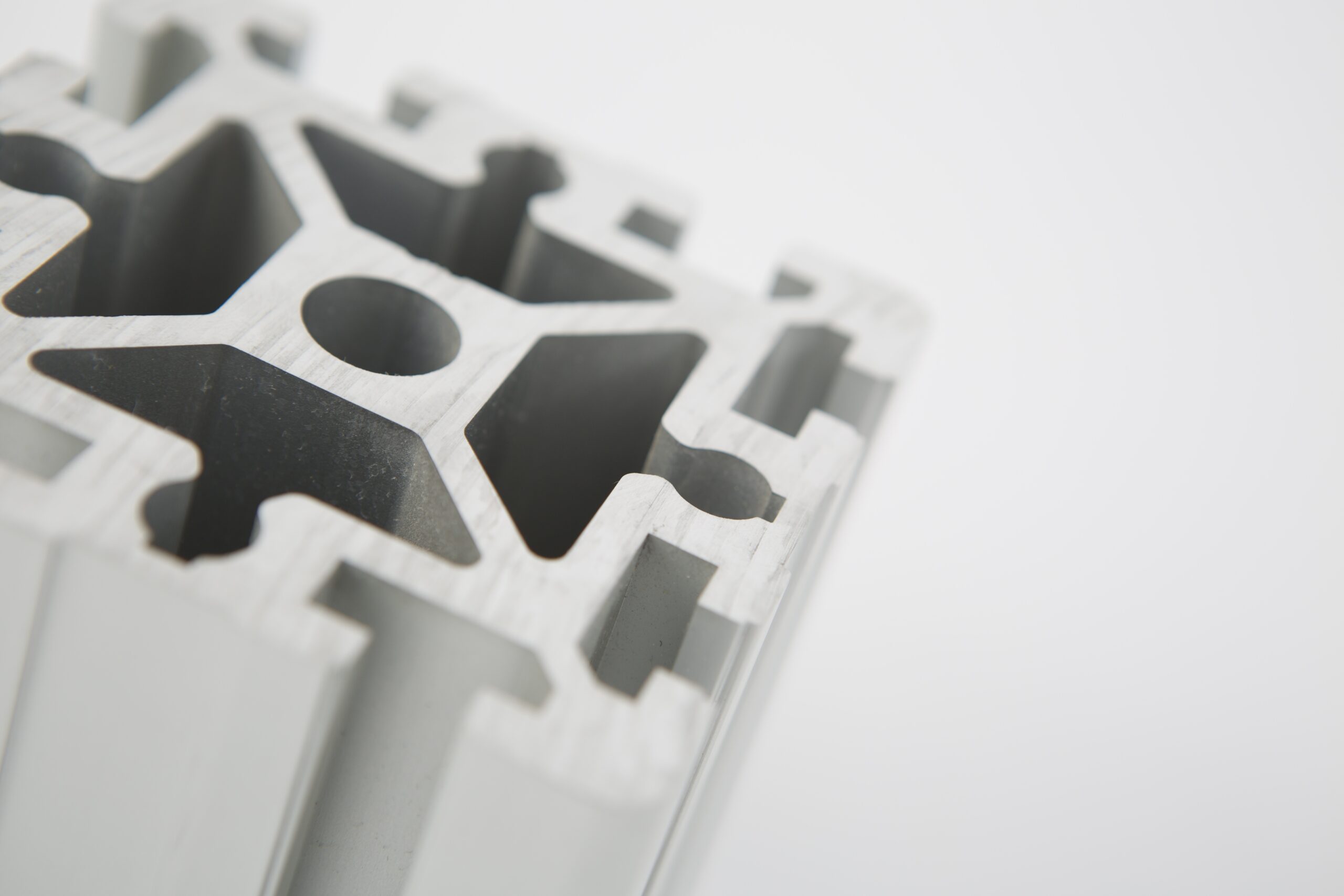
Anodizing is an electrochemical process that creates a protective oxide layer on the surface of aluminum.
This layer:
- protects against corrosion
- increases wear resistance
- improves the aesthetic appearance
The longevity of an anodized profile depends on several factors, which must be considered during the design and treatment selection phases.
One of the most important factors is the environment in which it is used. Particularly aggressive environments, such as marine or industrial environments, increase the risk of corrosion, while urban areas, due to pollution, can also contribute to accelerated surface degradation over time.
Another key aspect is the thickness of the anodic layer. The greater the thickness, the greater the material’s protective capacity, especially in technical applications or under more severe conditions of use.
Finally, the quality of the process plays a crucial role. Correctly performed anodizing ensures a uniform layer and greater resistance over time, directly impacting the profile’s overall performance.
At Sepal SpA, we pay great attention to the quality of the anodizing process, because we are aware that the durability, reliability, and final performance of the product directly depend on it.
Routine maintenance: what to do (and what to avoid)
Regular maintenance is simple but essential.
Appropriate practices
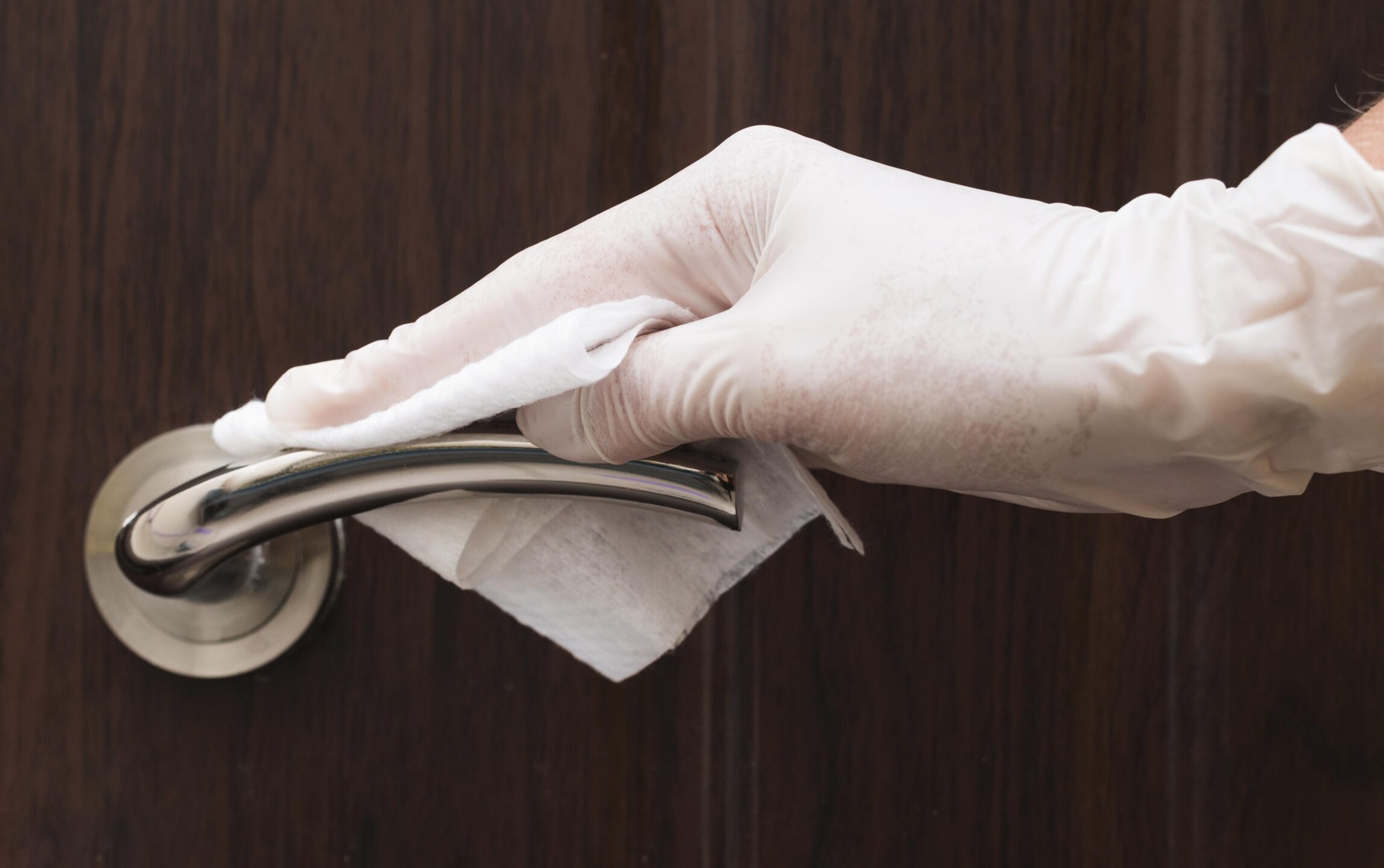
- Clean periodically with water and neutral detergents
- Use soft cloths or non-abrasive sponges
- Rinse well to avoid chemical residues
- Dry the surface to prevent streaks
What to avoid
- Aggressive acid or alkaline products
- Metal or abrasive brushes
- Detergents containing chlorine or ammonia
- High pressure cleaning too close
How to handle stains or marks
In case of persistent dirt or surface marks:
- use specific cleaners for anodized aluminum
- intervene promptly to prevent the damage from stabilizing
- avoid aggressive DIY interventions
If the damage is more profound, professional intervention may be necessary.
Cleaning frequency: how much to do?
The cleaning frequency of an anodized profile varies depending on the environment in which it is used.
In indoor settings, where exposure to aggressive agents is limited, it may be sufficient to intervene once or twice a year.
In urban environments, however, the presence of smog and pollutants makes more frequent cleaning advisable, approximately every three to six months.
The most critical conditions are found in marine or industrial areas, where saltiness and corrosive substances can compromise the surface more quickly: in these cases, it is advisable to provide for monthly interventions.
In general, more regular maintenance helps preserve material characteristics and reduce the risk of early deterioration.
The fundamental role of prevention
In addition to cleaning, some strategies help extend the life of the profile:
- Carefully design water drainage
- Avoid stagnant or accumulated dirt
- Choose finishes and thicknesses appropriate for the environment
Effective maintenance always starts with proper planning.
And in the kitchen: can aluminum elements be cleaned every day? With what products?
Anodized aluminum is perfect for environments like the kitchen because it resists dirt, grease, and moisture well. So yes, anodized aluminum in the kitchen can be cleaned every day, but with some fundamental precautions: the material is durable, but the anodic finish must be respected.
Daily Cleaning: Yes, but Gentle
Cleaning can therefore be done every day, especially on handles, trims, grooves, and frequently touched surfaces. The important thing is to use non-aggressive methods: frequent maintenance, if done well, extends the life of the material.
Recommended Products
For daily cleaning, the rule is simple: neutral detergents + soft tools
- Warm water
- Mild dish detergent (neutral pH)
- Marseille soap
- Microfiber cloth or soft sponge
Neutral detergents (pH approximately 6-8) are ideal because they clean without damaging the protective layer.
Quick everyday cleaning:
- Wipe with a cloth with water and detergent
- Remove grease and fingerprints
- Rinse with clean water
- Dry to avoid streaks
Products to absolutely avoid
This is where the most common damage occurs. Especially in the kitchen, avoid: bleach or products containing chlorine, ammonia, highly alkaline or acidic detergents, aggressive degreasers, abrasive sponges, or metal scouring pads. These substances can dull or irreversibly stain the anodized surface, and harsh fabrics could visibly damage the surface.
What to do with grease in the kitchen?
This is the most common situation. For greasy stains:
- Use warm water and dish soap,
- Let it sit for a few seconds,
- Wipe with a soft cloth.
If necessary: Use a water and vinegar solution (very diluted) or specific products for aluminum.
Avoid scrubbing: it’s better to repeat the cleaning process than to scratch.
How often should you really clean?
Daily use (kitchen): Even every day, but “gently”.
More thorough cleaning: Once a week.
General check-up: Monthly.
Consistency makes the difference, not aggressiveness.
Common misconception: “It’s durable, so I can use any degreaser.”
NO: This is not the case.
Anodizing is durable, but it’s still a surface layer: if it gets damaged, it doesn’t “regenerate.”
In summary
Maintaining an anodized profile over time doesn’t require complex procedures, but consistency and attention to details.
You can clean anodized aluminum in the kitchen every day, as long as: You use neutral detergents You avoid aggressive products You use soft tools You always dry after cleaning Treat aluminum like a technical surface: less aggressiveness, more consistency. Ultimately, anodizing is a highly durable solution, but only if accompanied by conscious management over time.